High Mast Lighting Installation: Planning and Inspection Overview
High Mast Lighting Installation is a critical process for highways, ports, airports, and large outdoor infrastructure projects. This article is a general overview. Follow the project-approved drawings, erection plan and local requirements…
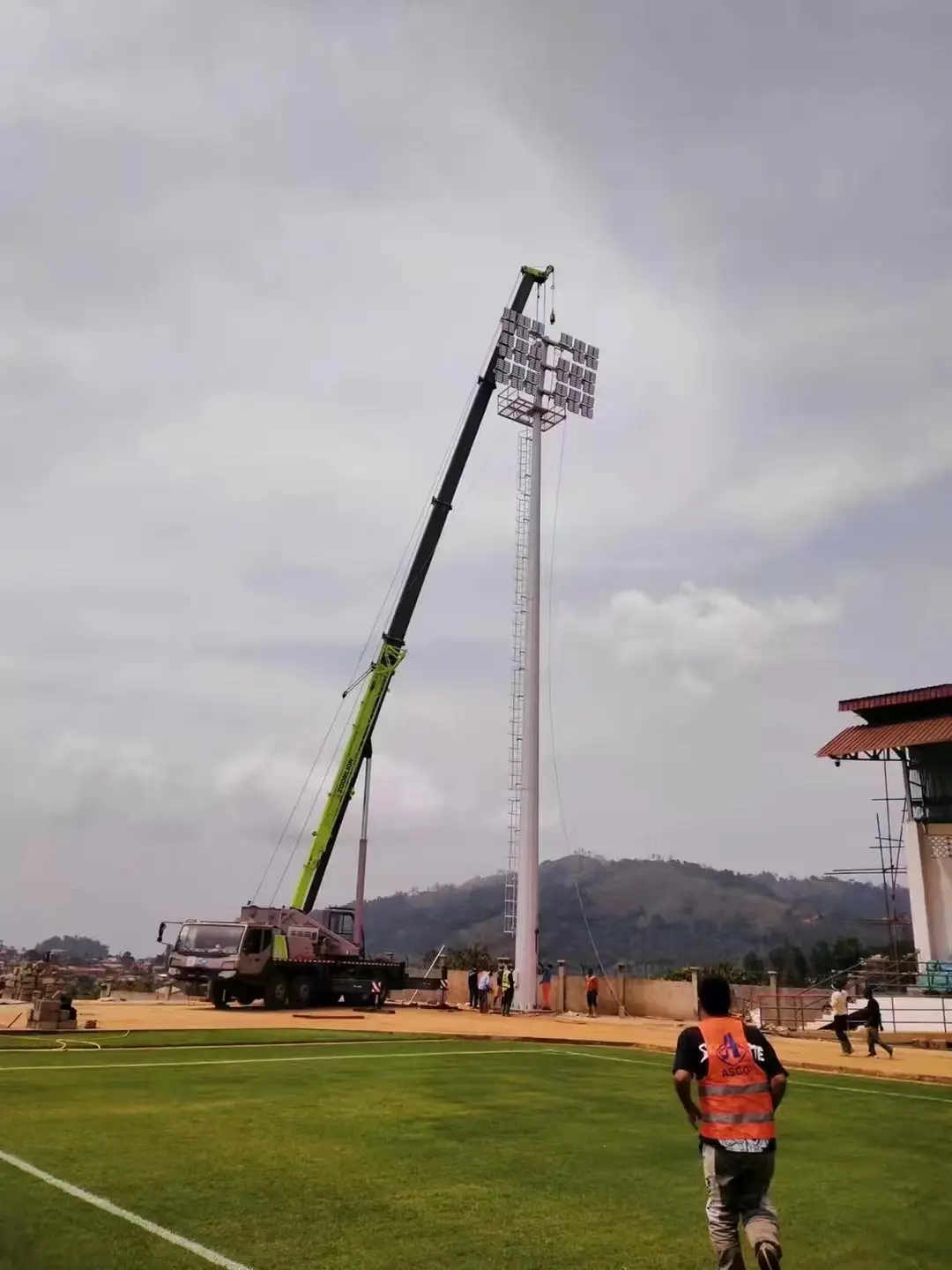
High Mast Lighting Installation is a critical process for highways, ports, airports, and large outdoor infrastructure projects. This article is a general overview. Follow the project-approved drawings, erection plan and local requirements under qualified engineering supervision.
What Is a High Mast Lighting System?
A high mast lighting system typically consists of a tall steel pole (15m–50m), a lighting crown, multiple luminaires, and a winch system for maintenance.
Installation Process
- Site survey and approved installation plan
- Anchor bolt positioning, foundation construction and strength verification
- Pole assembly and lifting
- Electrical wiring connection
- Testing and commissioning
Foundation Requirements
The foundation must be designed according to wind load conditions and soil bearing capacity. Concrete strength and anchor bolt positioning are critical.
Step 1: Site Preparation and Approved Drawings
Before starting the high mast lighting installation, conduct a detailed site survey. Evaluate soil bearing capacity, wind load requirements, and underground utilities. Excavation for the foundation should follow engineering drawings and comply with local construction standards.
Step 2: Anchor Bolts, Foundation Construction and Strength Verification
Anchor bolts must be positioned accurately using a template. Misalignment may cause installation failure during pole erection. Check vertical alignment and spacing before concrete pouring.
Verify the anchor bolt arrangement against the approved drawings before concrete placement. Before pole erection, confirm that the foundation has achieved the project-required concrete strength and that the required inspection and test results have been accepted by the responsible engineer. A fixed number of curing days alone is not a release criterion. Conditions such as mix design, temperature and curing practice affect strength development.
For an example of a jurisdiction-specific requirement, see FDOT FY 2026–27 Standard Specifications, Section 715-9.3, which requires concrete strength verification for roadway and high mast pole erection. Apply the approved design and the governing requirements for the actual project.
Step 3: Pole Assembly and Erection
Assemble pole sections on the ground. Inspect flange connections and apply anti-corrosion protection if necessary.
Use a certified crane for lifting. Follow lifting procedures carefully to avoid structural stress. After erection, tighten all bolts according to torque specifications.
Step 4: Electrical Wiring and Lighting Crown Installation
Install internal cables through the pole shaft. Connect luminaires to the lighting crown. Ensure proper grounding system is in place.
Electrical work during high mast lighting installation must comply with safety regulations and certified electrical standards.
Step 5: Testing and Commissioning
After completing the installation, perform:
- Structural inspection
- Electrical continuity testing
- Lighting performance test
- Safety grounding check
Final inspection checks the completed work against the approved project requirements.
Safety Considerations
High Mast Lighting Installation involves heavy equipment and work at height. Workers must wear safety harnesses, helmets, and follow site safety protocols strictly. For international lighting standards, refer to the International Electrotechnical Commission (IEC).
Maintenance Tips After High Mast Lighting Installation
Regular maintenance helps support service life and lighting performance. After completing the high mast lighting installation, regular inspection schedules should be established.
Routine checks should include:
- Visual inspection of pole surface coating
- Bolt tightness verification
- Electrical insulation resistance testing
- Winch and cable system inspection
Preventive maintenance can help manage repair needs and support system reliability.
Common Problems During High Mast Lighting Installation
Possible installation issues include:
- Anchor bolt misalignment
- Improper foundation curing time
- Incorrect torque application on flange bolts
- Inadequate grounding system
Professional engineering supervision is highly recommended to help manage these risks.
Why Choose Professional High Mast Lighting Installation Services?
High mast systems are large-scale infrastructure components. Improper installation may lead to structural instability, electrical hazards, or reduced lighting efficiency.
Discuss the following project requirements with the manufacturers and engineering teams:
- Compliance with international standards
- Proper structural calculation
- Certified materials
- Long-term durability
If you require technical support for high mast lighting installation, consult experienced engineers before starting your project.
Wind Load and Structural Design Considerations
Wind load calculation is a critical factor in high mast lighting installation. Engineers must evaluate local wind speed zones and structural safety coefficients before foundation and pole design.
Structural analysis should assess the pole against the wind-load conditions specified for the project. For coastal or desert regions, corrosion protection and additional reinforcement may be required.
The responsible structural engineer must identify the applicable structural, foundation, wind-load and local construction requirements in the approved design. Electrical and luminaire requirements do not replace structural foundation checks.
Explore our high mast lighting systems for your project.
Conclusion
Professional installation should follow the approved project requirements for safety, durability, and lighting performance. For customized high mast lighting solutions, contact our engineering team. Use the structural design input guide to identify the configuration and site information that the responsible reviewers need. Keep those documents with the supply scope in the high mast procurement guide. This overview does not replace the model-specific installation instructions, approved erection plan or project inspection releases.
Article-specific FAQ
What Is a High Mast Lighting System?
A high mast lighting system typically consists of a tall steel pole (15m–50m), a lighting crown, multiple luminaires, and a winch system for maintenance.
Foundation Requirements
The foundation must be designed according to wind load conditions and soil bearing capacity. Concrete strength and anchor bolt positioning are critical.
Safety Considerations
High Mast Lighting Installation involves heavy equipment and work at height. Workers must wear safety harnesses, helmets, and follow site safety protocols strictly. For international lighting standards, refer to the International Electrotechnical Commission (IEC).
Related Guides
Need Professional Advice for Your Project?
Share your project requirements.
Request a Project Quote